

Reducing Cost Per Part with Intelligent Fiber Laser Processing
Strategies to improve efficiency, reduce waste and increase profitability.
By Michelle Parks, Marketing Manager at Mazak Optonics Corp.
Today’s manufacturers face increasing pressure to produce more parts in less time while maintaining exceptional quality and controlling operating costs. Labor shortages, rising material prices, and tighter delivery schedules require fabricators to find new ways to maximize productivity without sacrificing precision.
Modern fiber laser technology has evolved beyond simply cutting metal faster. Intelligent controls, beam shaping, automated nozzle management, machine monitoring, and advanced nesting software now work together to significantly reduce the true cost per part.
With decades of experience advancing laser processing technology, Mazak Optonics is uniquely positioned to help manufacturers understand the technologies and strategies that drive measurable improvements on the shop floor. We combine industry expertise with proven applications knowledge to help fabricators maximize machine performance. Let’s examine the technologies and strategies that can assist in building a more competitive manufacturing operation.
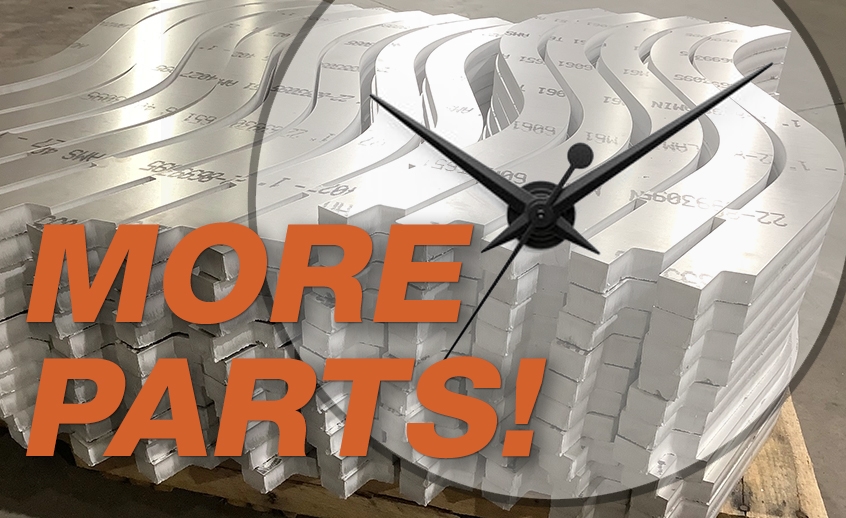
The Cost Per Part Challenge
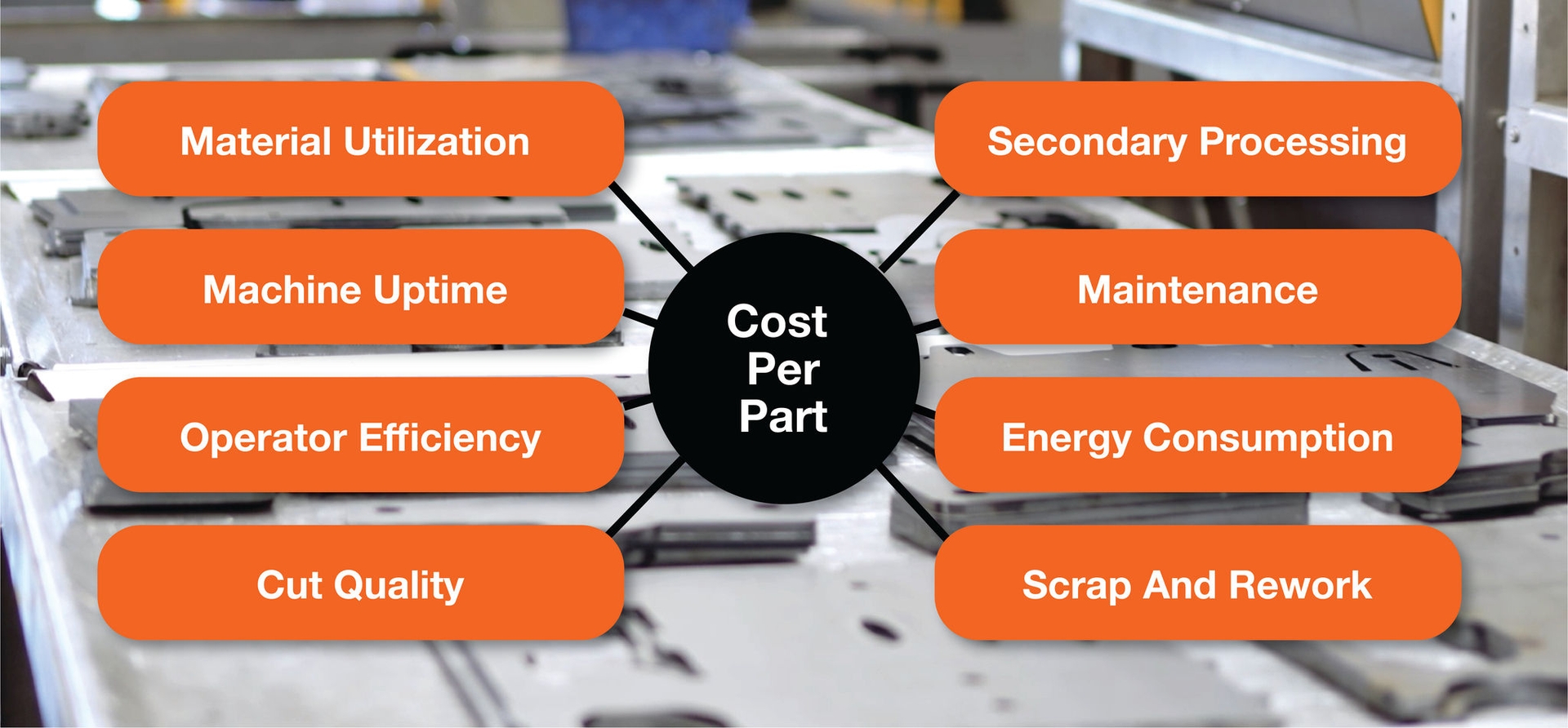
Many fabricators focus primarily on machine purchase price or cutting speed. However, the true cost per part is determined by numerous operational factors, including:
• Material utilization
• Machine uptime
• Operator efficiency
• Cut quality
• Secondary processing
• Maintenance
• Energy consumption
• Scrap and rework
Small improvements across these areas often generate substantially greater savings than simply increasing cutting speed.
Material Utilization: Every Sheet Matters
Material frequently represents the largest cost in laser processing. Advanced nesting software helps maximize usable sheet area by automatically arranging parts to minimize waste while maintaining optimal cut paths.
Benefits include:
• Higher material yield
• Reduced scrap
• Lower raw material costs
• Improved production scheduling
Even a modest improvement in material utilization can produce significant annual savings.
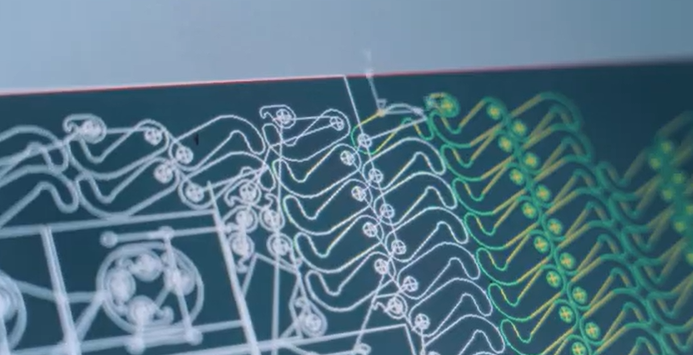
Advanced nesting helps maximize usable sheet area.
Beam Control
Today’s fiber lasers incorporate sophisticated beam-shaping technology and nozzle enhancements that adjusts beam characteristics based on material type and thickness.
Advantages include:
• Faster piercing
• Improved edge quality
• Reduced dross
• Better consistency
• Fewer manual adjustments
The result is more predictable production with less operator intervention.
Automation Improves Machine Utilization
Machine productivity extends beyond cutting speed. Automated pallet changers, material handling systems, and integrated loading solutions reduce idle time by allowing the next sheet to be prepared while cutting continues.
Additional benefits include:
• Lights-out production
• Increased throughput
• Reduced labor requirements
• Improved workflow
• Greater scheduling flexibility
Smart Controls Reduce Setup Time
Modern CNC controls simplify machine operation through intuitive interfaces and intelligent programming features. Capabilities such as automatic nozzle changing, nozzle centering, machine monitoring cameras, and integrated diagnostics reduce setup time while helping operators maintain consistent production quality.
These features enable shops to spend more time producing parts and less time preparing equipment.
Predictive Maintenance Minimizes Downtime
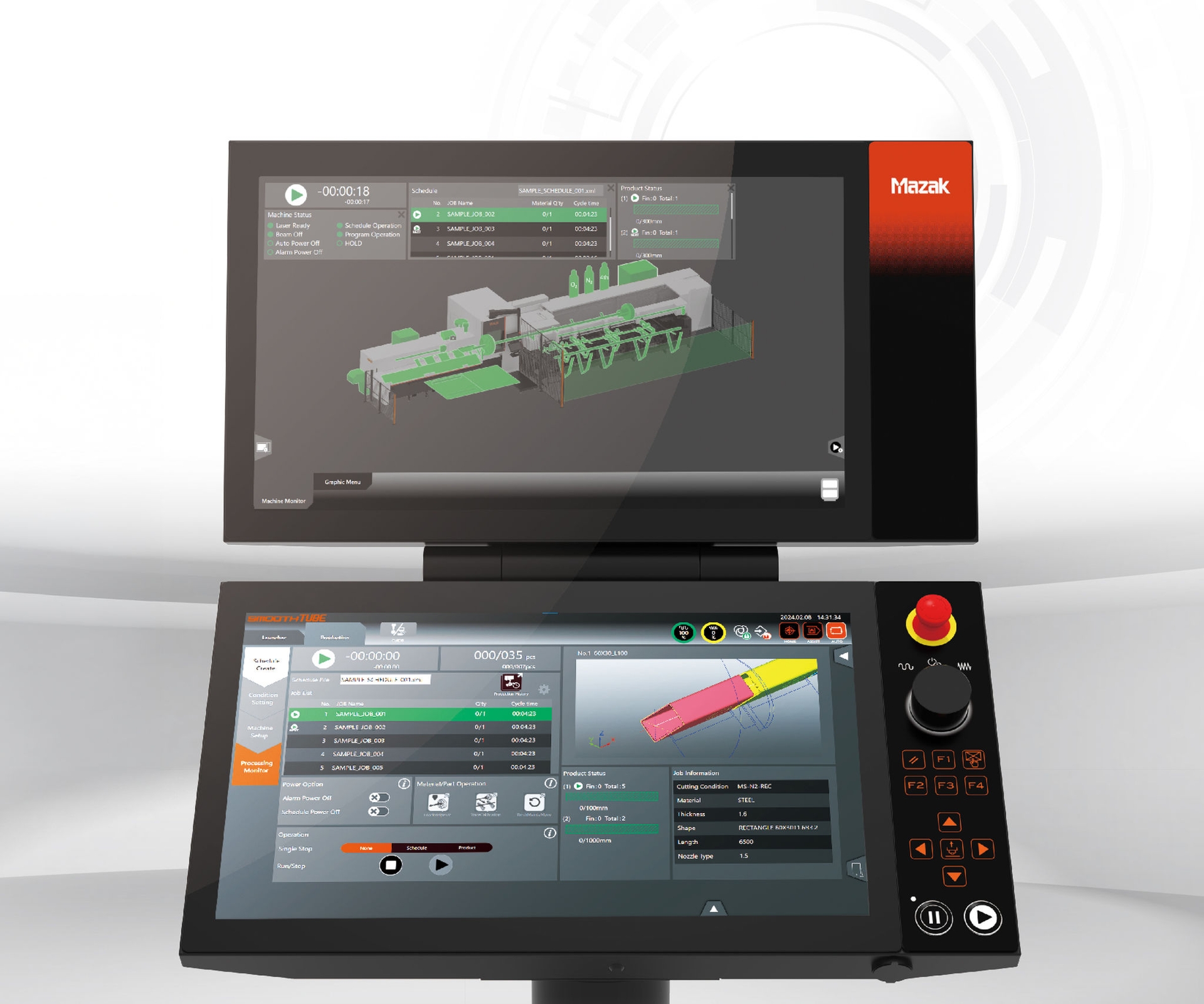
Unexpected downtime is among the most expensive challenges in manufacturing.* Advanced monitoring systems continuously evaluate machine performance, allowing maintenance teams to identify developing issues before they become production interruptions.
Benefits include:
• Higher equipment availability
• Reduced emergency repairs
• Longer component life
• Better maintenance planning

Improving Quality While Lowering Costs
Quality improvements contribute directly to lower production costs. Consistent cutting performance reduces:
• Scrap
• Rework
• Secondary finishing
• Inspection time
• Customer returns
Reliable quality also strengthens customer confidence and supports repeat business.

Measuring Return on Investment
Manufacturers should evaluate laser technology using comprehensive performance metrics, including:
• Cost per part
• Parts produced per shift
• Material utilization percentage
• Machine uptime
• Labor hours per job
• Energy consumption
• On-time delivery performance
Tracking these metrics provides a more accurate picture of overall operational efficiency than machine speed alone.
Conclusion
Reducing cost per part requires more than faster cutting speeds. Success comes from optimizing every aspect of the manufacturing process—from material utilization and beam control to automation, predictive maintenance, and streamlined machine operation. By investing in advanced fiber laser technology and data-driven manufacturing practices, fabricators can improve efficiency, increase throughput, and position themselves for long-term growth in an increasingly competitive marketplace.
Intelligent Laser Processing Starts with Mazak Optonics.